

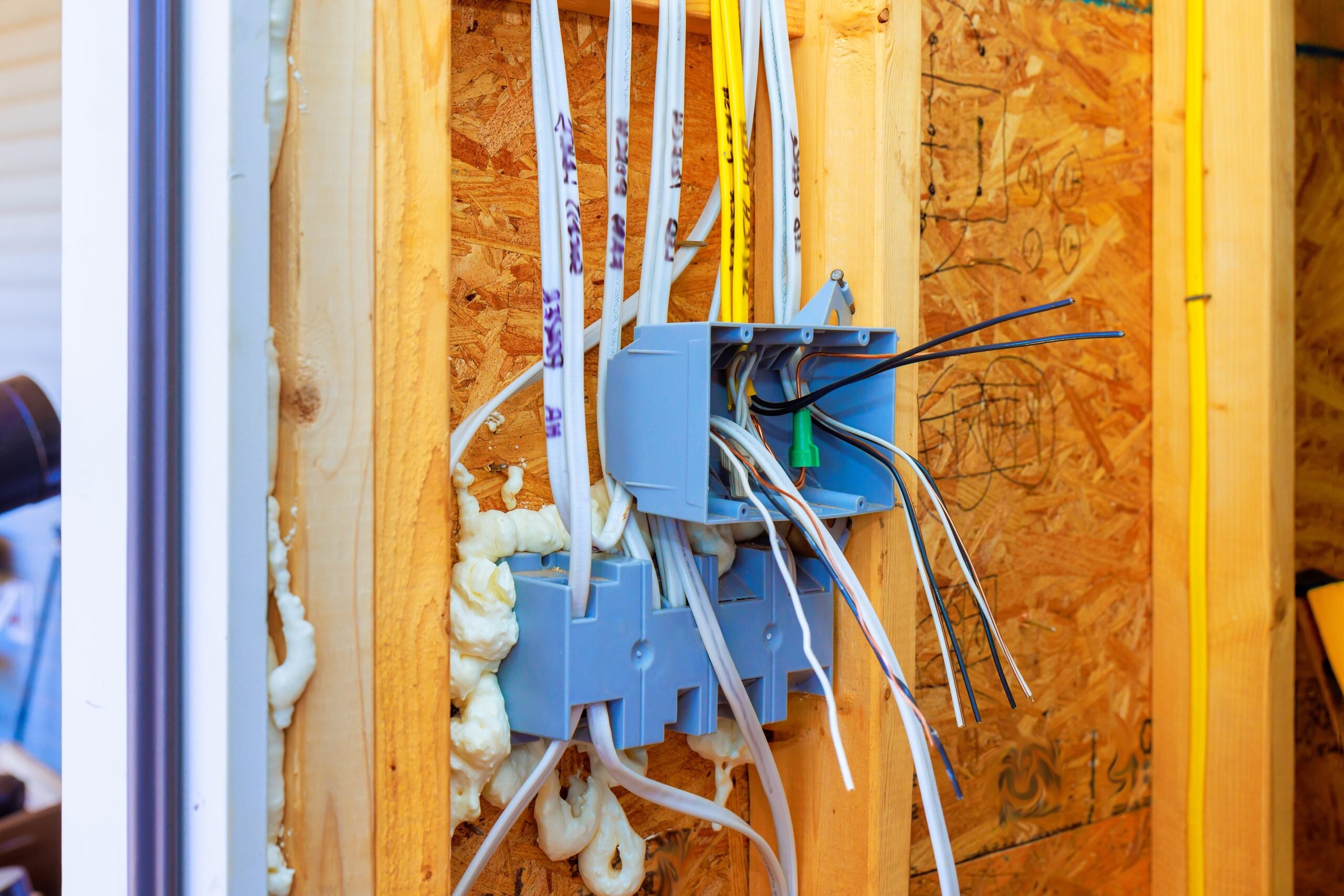
You are preparing to sell your Cincinnati house when a question comes up: Was the finished basement permitted? Did the previous owner get approval for the kitchen renovation? Is the extra room shown in City records? Suddenly, a renovation that seemed like an asset could complicate your buyer’s inspection, appraisal, or mortgage.
You can often sell a house with unpermitted work in Cincinnati, Ohio, but first you need to establish whether a permit was required, whether approval was obtained, and what risks remain. Some work is exempt from permit requirements. Other improvements may need inspection, correction, or documentation before a particular buyer can close. Selling as-is is possible in some circumstances, but it does not erase disclosure duties or existing enforcement orders.
This guide explains how to check Cincinnati records, assess previously completed work, handle buyer objections, and compare correcting the problem with selling in its current condition.
Quick Answer: Can You Sell a House With Unpermitted Work?
Yes, potentially. Neither an undocumented renovation nor a missing permit record automatically makes every home sale illegal. The key questions are what work was done, which jurisdiction regulates the property, what permit rules applied, and whether an official violation or unsafe condition exists.
For example, new electrical circuits hidden behind finished drywall present different concerns from replacing a window with the same size and type. A buyer may accept some uncertainty, while a lender or insurer may require further evaluation. No single rule applies to every improvement.
If the City has already issued a code-violation notice, see our separate guide to selling a Cincinnati house with code violations.
Unpermitted Work vs. an Open Permit: Know the Difference
An unpermitted improvement is work completed without a permit that was required for that particular project. An open permit is a permit record that exists but has not reached its required final status. They can create different problems at closing.
| Situation | What it may mean | First question to ask |
|---|---|---|
| No permit record found | The work might be exempt, older, undocumented, or improperly completed | Was a permit required when the work occurred? |
| Work done without a required permit | The City may need to evaluate the improvement | What corrective or review process applies? |
| Permit issued but never finalized | Required inspection or closure may be outstanding | Which inspections or documents remain? |
| Official code-violation order | The authority has identified a compliance problem | What does the written order require? |
Do not call an improvement “illegal” solely because you cannot find a record online. Likewise, do not advertise it as “fully permitted” without supporting documentation. Our open-building-permit article explains that separate issue in detail.
Which Cincinnati Home Improvements Typically Need Permits?
The City’s Residential Permit Guide identifies major alterations, additions, and structural, plumbing, mechanical, and electrical changes as work commonly requiring approvals. Separate trade permits may also apply.
Projects that deserve particular attention include added rooms, structural wall changes, converted garages, substantial basement finishing, decks, new bathrooms, relocated plumbing, replacement electrical systems, and HVAC alterations. A project may need multiple approvals rather than a single general building permit.
But not all home repairs require permits. Cincinnati lists limited exceptions for certain work on qualifying one-, two-, and three-family detached dwellings, including same-size window replacement and some roof-covering work. The exact exemption and historic-designation restrictions matter; see the City’s Do I Need a Permit? guidance.
An attractive renovation is not proof of approval, and an older home is not automatically noncompliant. Confirm the type and approximate date of work before drawing conclusions.
Is Your Property Actually Within Cincinnati City Limits?
A Cincinnati mailing address does not always mean the City of Cincinnati issues the permits. Some properties with a Cincinnati postal address are regulated by another municipality or township. Local permit records and applicable procedures depend on the actual jurisdiction.
Cincinnati’s permit guide directs property owners to check their jurisdiction and zoning before beginning a project. This is especially important for homeowners comparing suburban properties with houses inside the City’s boundaries.
If the house is outside Cincinnati, contact the authority responsible for that parcel rather than assuming the City can approve older work. The remaining local steps in this article apply to property within Cincinnati’s jurisdiction.
How to Check Whether a Renovation Was Permitted
Start with records rather than scheduling demolition or opening finished walls. A missing document in your personal files is not the same as proof that no permit was issued.
- List the renovations you are uncertain about. Note approximate dates, contractors, and the rooms or systems changed.
- Search the address in CAGIS ezTrak. Review available permits, inspection results, and related property activity.
- Compare records with invoices and closing documents. The permit may be recorded under an older owner or contractor, and online information may not tell the whole story.
- Ask the Cincinnati permit office to clarify missing records. The City explains that permit files are available for public inspection and some documents may need an additional records request.
- Get the answer in writing when a sale depends on it. Ask what review, permit, or inspection is necessary for the specific improvement.
The City’s Electronic Document Submission information also describes online permit tracking. Do not assume that a tax card showing a finished room confirms building-code approval.
What If the Renovation Was Completed Years Ago?
Older work can be harder to reconstruct. A previous homeowner may have hired a contractor, permits may have been filed under an unfamiliar name, or records may be incomplete. You may have bought the house believing everything was properly approved.
Separate what you know from what you suspect. If you have no permit documentation, say that instead of declaring definitively that a permit never existed. Ask the jurisdiction whether historical records are available and which standards would apply to a proposed correction today.
The possibility of additional inspection or reconstruction is especially important for covered electrical, plumbing, or framing work. A current contractor may need to determine what can be evaluated safely without opening finished surfaces. Do not tear out walls simply because a buyer asks a question; first establish what the authority or qualified professional actually requires.
Can You Get an After-the-Fact Permit in Cincinnati?
Sometimes an authority can review previously completed work, but there is no universal guarantee that old unpermitted work will be approved retroactively. The City may require plans, trade permits, qualified inspections, exposure of concealed components, repairs, or changes to the work. Some situations may involve use or zoning issues that cannot be solved by paying a permit fee.
Cincinnati’s permit process normally includes application, plan review, permit issuance, and inspections. Its guidance also warns that work completed without a required permit can trigger an additional investigation fee. Verify current amounts using the City’s permit-fee information.
Ask the City what it will accept for this exact project. You may need a licensed trade contractor or engineer, depending on the work. A contractor’s statement that a project “should be fine” is not evidence that the City has signed off.
Why final inspection matters
For permitted construction, inspections verify compliance at different stages. Cincinnati explains that a completed project may require a final inspection and, where applicable, a Certificate of Occupancy. See its guidance on completing a construction project.
An application receipt, paid fee, or issued permit is not necessarily proof that every required inspection passed. Keep the final record if the issue is resolved.
How Basements, Bathrooms, and Additions Can Complicate a Sale
Finished basements and converted rooms
A finished basement might be marketed as extra living space, but its permitted status, ceiling height, safe access, electrical work, and use can raise questions. A buyer may want to know whether the space can properly be represented as a bedroom or separate living area.
Do not label a basement room as a legal bedroom merely because it contains a bed or closet. Check requirements with the relevant authority, and distinguish measured finished area from space approved for a particular use.
Kitchens, bathrooms, and concealed systems
A remodeled kitchen may look attractive even if relocated drains or added circuits were never inspected. Bathrooms and laundry areas can involve plumbing, electrical, ventilation, and moisture risks. An inspector may recommend specialized evaluation without concluding that every component is defective.
Ask for records and qualified assessments of the specific work rather than assuming complete demolition is required.
Additions, decks, and structural changes
Additions can raise zoning, setback, foundation, structural, and inspection issues. Decks and wall removals may affect safety even when they have been used for years without an obvious problem. The eventual solution depends on actual dimensions, loads, records, and local requirements—not appearances alone.
Does Unpermitted Work Have to Be Fixed Before Selling?
Not in every transaction. A homeowner may obtain approvals, negotiate with a buyer, or sell subject to disclosed conditions. Whether the sale can proceed depends on the work involved, contract terms, financing requirements, and any outstanding City orders.
When an improvement creates a serious safety concern or is subject to an enforceable order, further action may be necessary. If the problem is missing documentation, a records search or professional evaluation might resolve the uncertainty without extensive repairs.
What If a Buyer Discovers Unpermitted Work After Making an Offer?
Suppose a Cincinnati homeowner accepts an offer, but the buyer’s inspection raises concerns about a finished basement. The buyer asks for permit documentation that the seller cannot locate.
Before agreeing to remove the improvements or pay for corrective work, determine whether a permit was actually required and what the buyer’s lender needs.
Review the purchase agreement’s inspection and financing contingencies, relevant deadlines, and any written repair requests. Depending on the findings, the parties may negotiate additional evaluations, corrective work, an allowable credit, or a contract termination under applicable terms.
A missing permit record does not automatically mean the transaction must fail. The practical solution depends on the actual requirements and the buyer’s willingness to proceed.
For related negotiation issues, see our guide to selling after a difficult home inspection.
How Unpermitted Work Can Affect Financing and Appraisals
A buyer may love the renovated kitchen and still encounter questions from the appraisal, insurer, or mortgage lender. Those are separate decisions. An appraiser assesses property value; an inspector evaluates visible conditions; the local authority determines whether code and permit requirements have been satisfied.
According to the Consumer Financial Protection Bureau, some loan programs may require major property repairs before closing or another permitted arrangement. It does not follow that every missing permit blocks every loan.
Particular risks arise when the advertised living area includes a questionable addition, a finished basement is presented as a compliant bedroom, or the renovation has unresolved safety findings. The buyer’s lender must decide whether and how the property meets its requirements. A price reduction alone may not solve a condition-based lending objection.
What Must You Disclose Under Ohio Law?
Ohio’s official Residential Property Disclosure Form addresses material property conditions actually known to the seller. Under Ohio Revised Code Section 5302.30, the form is required for many residential property transfers involving one to four dwelling units, subject to statutory exemptions. Sellers covered by the law must complete the applicable disclosures in good faith. A missing permit record should not be confused with a confirmed defect, but known problems and information requested by the form must be addressed accurately.
A missing permit is not automatically the same thing as a confirmed structural defect. Still, known deficiencies, relevant past alterations, and applicable requested details should be addressed truthfully. Do not invent an answer when you genuinely lack records. A real estate attorney can help with uncertain circumstances or disclosure language.
A separate law applies if you received written notice of a building or housing code violation. Under Ohio Revised Code 5301.253, written notice must be given to the purchaser before entering into a transfer agreement; if there is no written transfer agreement, notice is required before recording the deed. Recorded orders can remain enforceable against later owners.
An “as-is” term does not automatically cancel these obligations. Keep copies of notices and communications so there is a clear record of what the buyer received.
Your Options: Correct the Work, List As-Is, or Compare a Direct Sale
Option 1: Investigate and correct before listing. This may be worthwhile if the problem can be resolved within a realistic budget and removing uncertainty would broaden the buyer pool. Get the City’s requirements first; spending money on an unrelated remodel does not establish permit compliance.
Option 2: List with accurate disclosures and supporting records. A traditional buyer may accept a documented problem and negotiate a price or specific corrective work. An agent familiar with older Cincinnati housing can help position the property without claiming that unverified square footage or improvements are approved.
Option 3: Compare a direct as-is offer. Some cash buyers consider properties with uncertain permits or incomplete renovations. A cash transaction removes one lender-related obstacle but does not override City rules, deed restrictions, title requirements, or disclosure duties. Check the actual offer and contingencies before assuming a sale can close.
Our repair-versus-as-is guide addresses the broad financial choice. For this particular problem, the deciding factor is the cost and feasibility of establishing compliance.
Cincinnati Example: What Would Each Selling Choice Actually Leave You?
Imagine an older Cincinnati home with a finished basement completed without a located permit record. A contractor identifies electrical and access issues, but the homeowner has not yet received a final City determination. The seller considers three possibilities.
| Hypothetical item | Correct work, then list | List with the issue disclosed | Direct as-is offer |
|---|---|---|---|
| Assumed sale price | $275,000 | $248,000 | $232,000 |
| Professional evaluation / corrective work | −$19,000 | −$1,500 | $0 |
| Selling and closing expenses | −$17,000 | −$15,000 | −$2,000 |
| Holding expenses | −$4,000 | −$3,000 | −$1,000 |
| Mortgage payoff | −$126,000 | −$126,000 | −$126,000 |
| Illustrative net proceeds | $109,000 | $102,500 | $103,000 |
These are invented numbers for illustration, not Cincinnati market estimates or offers from Freedom Homes Cincy. The direct-sale column assumes certain costs still apply, rather than promising a fee-free transaction. Actual outcomes depend on title charges, taxes, repair findings, financing, and the purchase agreement.
In this example, correction yields the most, but also requires significant upfront cash and exposure to added work. Listing with the issue disclosed produces slightly less than the assumed direct offer. A better verified estimate—or an actual buyer’s proposal—could change that conclusion. For the underlying method, see our net-proceeds comparison.
What Documents Should You Gather Before Selling?
Organize a simple property file rather than making broad claims about renovations. Include the date you acquired the home, known project dates, invoices, contractor information, photographs, drawings, permit-search results, inspection reports, and any written City responses.
Distinguish confirmed facts, missing records, and professional opinions. For example, “We could not locate a basement permit online” is more accurate than “The basement never had a permit” if you have not completed the records inquiry.
If a buyer proposes to handle corrective work later, put the plan, responsibilities, timelines, and any closing conditions in writing. Review our cash purchase agreement guide before signing anything that assigns legal or financial obligations.
Questions to Ask Before Agreeing to a Buyer or Contractor
Ask the City which permit categories apply, whether earlier approvals exist, what documentation is needed, whether a field inspection is possible, and whether concealed work might have to be exposed. Request a written description of any identified violation or required next step.
Ask contractors for an itemized scope separating investigation, required correction, and optional improvements. The Ohio Attorney General’s home-improvement guidance recommends checking references, licenses or registrations where relevant, insurance, written estimates, and permit responsibilities.
Ask purchasers whether the offer depends on permit approval, a satisfactory inspection, a lender, or a revised appraisal. Verify proof of funds when appropriate and read conditions that allow price changes. Our cash-buyer verification guide explains how to compare buyer reliability and contract terms.
Frequently Asked Questions About Selling With Unpermitted Work in Cincinnati
Can I sell a house with unpermitted work in Cincinnati, OH?
Often, yes. The sale must address known conditions, applicable disclosures, any City orders, and the buyer’s financing or contract requirements.
Does every renovation without a permit record violate Cincinnati rules?
No. Some projects are exempt or have incomplete historical records. Confirm whether a permit was required for that particular work.
Can I get a permit after a renovation is finished?
Possibly. The City may require plans, inspections, corrections, or exposure of concealed work. Approval and costs are project-specific.
Do I have to remove an unpermitted finished basement?
Not automatically. First determine the permit, zoning, safety, and inspection issues. Removal is only one possible outcome.
Do I have to disclose unpermitted renovations in Ohio?
Applicable sellers must answer required disclosure questions honestly. A separate written-notice rule applies when the owner received formal written code-violation notice.
Can missing permits stop a mortgage buyer from closing?
They can complicate financing, particularly if safety, appraisal, or property-eligibility concerns arise. Not every missing permit automatically stops a loan.
How do I check old permits for a Cincinnati house?
Search the property in CAGIS ezTrak and contact the appropriate permitting office if records are unclear or incomplete.
Can I sell as-is instead of correcting the unpermitted work?
Potentially. A buyer may accept the condition, but an as-is agreement does not erase existing orders or legal disclosure requirements.
Will a cash buyer purchase a Cincinnati house with unpermitted work?
Some may. Confirm the buyer’s qualifications, inspection contingencies, proposed price, and responsibility for unresolved issues before signing.
Decide With Records, Not Assumptions
A missing permit record can become a serious selling obstacle—or turn out to be a documentation issue with a manageable solution. The first step is to identify the work, verify the responsible jurisdiction, and get credible guidance about what, if anything, must be corrected.
Then compare an approved correction plan, an accurately represented as-is listing, and a direct purchase offer using realistic net proceeds and closing conditions. If you want another option, Freedom Homes Cincy explains its direct buying process and offers a way to request a no-obligation property offer. Eligibility and closing terms depend on the property and the unresolved issues.
This guide provides general information, not legal, engineering, lending, or permitting advice. Verify property-specific requirements with the responsible local authority and qualified Ohio professionals.