![we buy houses in [market_city]](https://image-cdn.carrot.com/uploads/sites/82837/2025/10/Depositphotos_173353966_L-1920x800.jpg)

Selling a vacant or abandoned house in Cincinnati, OH is possible, even if the property has repairs, unpaid taxes, code violations, vandalism, or has been empty for years. The best selling option depends on the home’s condition, ownership status, tax balance, location, and how fast you want to close.
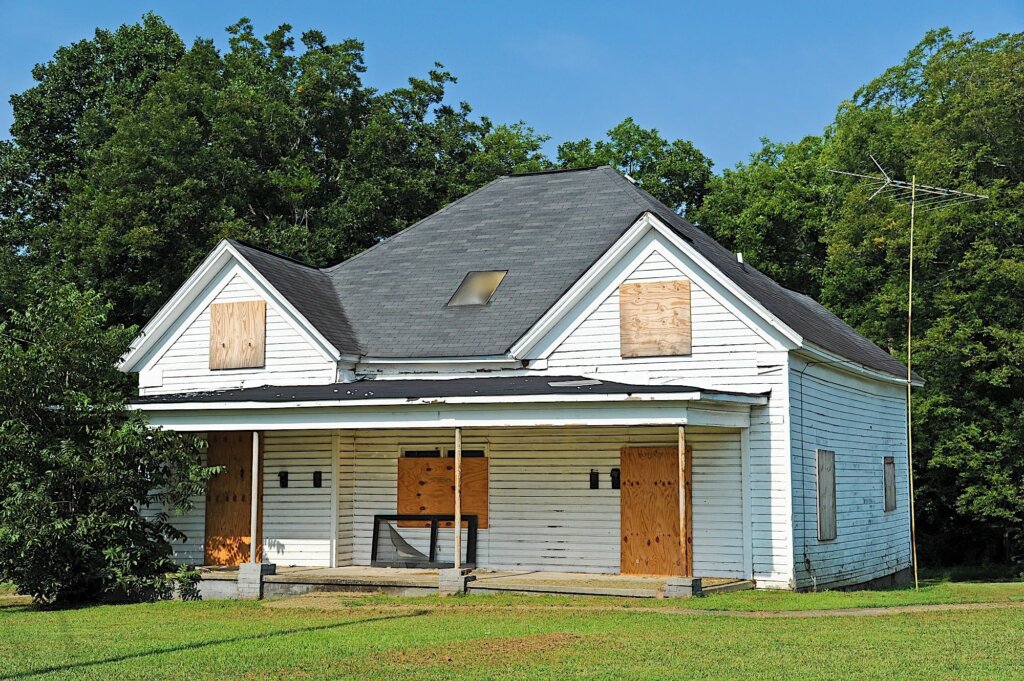
A vacant house is usually empty but still maintained. An abandoned house is often empty for a long time, neglected, unsecured, damaged, or affected by city notices. In both cases, the property can still be sold, but the process may be different from selling a regular move-in-ready home.
Cincinnati has a real vacant-property issue. Census Reporter’s 2024 ACS profile lists Cincinnati with 160,935 housing units and 145,964 households, meaning thousands of housing units are not occupied. The City of Cincinnati also has a Vacant Building Registration program for certain vacant properties, with the ordinance going into effect in April 2026.
If you own a vacant or abandoned house, the first step is to understand the property’s condition and legal status before choosing how to sell.
Can You Sell a Vacant or Abandoned House in Cincinnati?
Yes, you can sell a vacant or abandoned house in Cincinnati. The property does not have to be fully repaired, cleaned out, or occupied before sale. However, the condition of the house will affect the price, buyer interest, timeline, and financing options.
A clean vacant home may sell through a traditional real estate listing. A damaged or abandoned home may be harder to sell to a regular buyer because lenders, inspectors, and appraisers may raise concerns. If the house has serious repairs, missing utilities, or safety issues, an as-is or cash sale may be more practical.
Vacant House vs Abandoned House
| Factor | Vacant House | Abandoned House |
|---|---|---|
| Occupancy | Empty but usually maintained | Empty and often neglected |
| Utilities | May still be active | Often shut off |
| Condition | May be livable | Often damaged |
| Code risk | Lower if maintained | Higher if unsecured |
| Buyer type | Homebuyer, landlord, or investor | Usually investor or cash buyer |
| Financing | May qualify | Often difficult |
A vacant house may only need cleaning, lawn care, and normal marketing. An abandoned house may need roof repairs, plumbing, electrical work, trash removal, pest control, or legal cleanup before closing.
Why These Homes Are Harder to Sell
Vacant homes create uncertainty for buyers. They may worry about roof leaks, frozen pipes, basement water, mold, foundation cracks, theft, or vandalism. If nobody has lived in the house for a long time, hidden problems may not be discovered until inspection.
Abandoned homes create even more concern. They may have broken windows, missing copper, damaged doors, unsecured entry points, or unsafe rooms. If utilities are off, inspections become harder. If the home is unsafe to enter, many traditional buyers may walk away.
Financing can also be a problem. Many buyers use FHA, VA, conventional, or bank loans. These loans often require the home to meet certain condition standards. If the property has major damage, missing systems, or safety concerns, the lender may not approve the loan.
That is why abandoned homes often attract investors, rehabbers, landlords, or cash buyers instead of regular retail buyers. If your vacant or abandoned house has multiple issues, such as repairs, code violations, tax problems, or safety concerns, read How to Sell a Distressed Property Fast in Cincinnati OH for a broader guide to selling difficult properties quickly.
Cincinnati Rules and Local Property Concerns
Cincinnati has become more active in dealing with vacant buildings. The City of Cincinnati’s Vacant Building Registration program requires certain vacant property owners to register with the Buildings & Inspections Department. The city says the ordinance was passed in February 2025 and goes into effect in April 2026.
Cincinnati also has a Vacant & Hazardous Buildings page that explains how the city addresses vacant buildings through rehabilitation, demolition, housing docket activity, and vacant building maintenance requirements.
Before selling, check whether the house has city notices, code violations, nuisance complaints, grass violations, vacant building notices, or unsafe building orders. These issues do not always stop a sale, but buyers will want to know about them.
Step 1: Confirm Ownership and Title
Before selling, make sure you have the legal right to sell the property. This is especially important if the house was inherited, owned by a deceased family member, or shared by multiple heirs.
Check whether the deed is in your name. If the home is inherited, probate may be required before closing. If multiple people own the house, all legal owners may need to agree to the sale. The Hamilton County Probate Court is the local court resource for estate-related matters in Hamilton County.
A title company or real estate attorney can help find issues such as old mortgages, unpaid liens, judgments, probate problems, missing heirs, or incorrect deed records. It is better to check title early instead of waiting until a buyer is ready to close.
Step 2: Check Taxes, Liens, and Foreclosure Risk
Vacant and abandoned homes often have unpaid property taxes. In Hamilton County, delinquent property taxes can eventually lead to tax foreclosure or sheriff sale.
If you owe back taxes, you may still be able to sell. In many cases, unpaid taxes can be paid from the sale proceeds at closing if there is enough equity. However, a high tax balance can reduce the amount you receive.
You can review local delinquent tax information through the Hamilton County Auditor’s delinquent tax page. Check the current tax balance, delinquent tax status, mortgage payoff, liens, and any foreclosure activity. If the property is already close to sheriff sale, timing becomes very important.
Step 3: Review Code Violations and Safety Issues
Code violations do not automatically prevent a sale, but they can reduce buyer interest and affect the final price. Buyers may ask whether violations must be corrected before closing, whether fines are owed, and whether the property can legally be occupied.
Common vacant house issues include broken windows, open doors, overgrown grass, trash, roof damage, unsafe porches, missing railings, fire damage, or structural problems. Cincinnati’s Property Maintenance Code Enforcement page is a useful local resource for understanding how the city handles blight, complaints, and property maintenance issues.
| Problem | Why It Matters | Possible Solution |
|---|---|---|
| Unpaid taxes | Usually must be resolved before or at closing | Pay from sale proceeds |
| Code violations | May scare traditional buyers | Disclose and sell as-is |
| Missing utilities | Makes inspections harder | Restore utilities or sell as-is |
| Vandalism | Lowers buyer confidence | Secure the property |
| Structural damage | May block financing | Get estimates or sell to cash buyer |
| Probate issue | May delay legal sale | Resolve estate paperwork |
Step 4: Decide Whether to Repair or Sell As-Is
Some vacant houses are worth repairing before sale. If the property is in a strong neighborhood and only needs cosmetic updates, repairs may help attract more buyers and a higher price.
However, major repairs are not always worth it. If the home needs a roof, foundation work, plumbing, electrical repairs, mold removal, or code compliance, the cost can become high quickly. Repairs also take time and may require permits, contractors, and inspections.
Selling as-is may make more sense if the house has been empty for years, has serious damage, has unpaid taxes, has code violations, or if you live outside Cincinnati and cannot manage repairs.
A simple rule is to compare the repair cost with the likely increase in sale price. If repairs cost more than the value they add, selling as-is may be the better option.
Step 5: Understand the Cincinnati Market
The Cincinnati housing market can be strong for homes in good condition. Zillow reported the average Cincinnati home value at $254,493 as of May 31, 2026, up 1.4% year over year. Zillow also reported a median sale price of $246,666 as of April 30, 2026.
However, vacant and abandoned houses usually do not sell like move-in-ready homes. Buyers will subtract for repairs, cleanup, risk, holding costs, taxes, insurance, permits, and possible delays.
Location also matters. A distressed house in a high-demand neighborhood may still attract strong investor interest. A severely damaged house in a slower area may need a bigger discount to sell.
Step 6: Choose the Best Selling Option
You have several ways to sell a vacant or abandoned house in Cincinnati.
A traditional listing may work if the home is clean, safe, and likely to qualify for financing. This option may bring a higher price, but it can involve repairs, showings, inspections, and buyer financing delays.
An as-is listing may work if the house needs repairs but can still be shown safely. This can attract investors and buyers looking for fixer-uppers, but the buyer pool is smaller.
A direct cash sale may be the best fit for abandoned houses, unsafe properties, code-violation homes, inherited vacant houses, or properties with major repairs. The offer may be lower than a retail sale, but the process is often faster and simpler.
An auction may be useful for urgent or complicated properties, but the seller has less control over the final price.
Step 7: Prepare the House for Sale
Even if you sell as-is, basic preparation can help. Secure all doors and windows. Cut the grass. Remove obvious trash if it is safe and affordable. Take clear photos of the inside and outside. Gather tax bills, utility records, code notices, mortgage payoff information, insurance records, and repair estimates.
If the house is unsafe, do not enter without professional help. Mold, fire damage, collapsed floors, animal infestation, and structural problems can be dangerous.
Also, be honest with buyers. Ohio law includes residential property disclosure rules for many home sales. Selling as-is does not mean hiding known problems. Known issues such as roof leaks, water damage, foundation problems, fire damage, or code violations should be handled clearly.
How Long Does It Take to Sell?
A clean vacant house may sell in a normal market timeline. A damaged or abandoned house may take longer if there are title problems, unpaid taxes, code violations, probate issues, or major repairs.
A cash sale with clear title may close in a few weeks. A traditional sale may take 30 to 90 days or more. If probate, liens, foreclosure, or city enforcement is involved, the timeline can be longer.
FAQs About Selling a Vacant or Abandoned House in Cincinnati
Q. Can I sell a vacant house in Cincinnati, OH without making repairs?
Yes, you can sell a vacant house in Cincinnati as-is without making repairs. The price usually depends on the home’s condition, location, taxes, and code status.
Q. Can I sell an abandoned house in Cincinnati with code violations?
Yes, you can sell an abandoned house with code violations in Cincinnati. However, violations may reduce buyer interest and make traditional financing harder.
Q. Can I sell a vacant house in Cincinnati if I owe back property taxes?
Yes, a vacant house with back property taxes can often still be sold. In many cases, unpaid taxes may be paid from the sale proceeds at closing.
Q. Do I need to clean out an abandoned house before selling?
Not always. If the house is unsafe, heavily damaged, or full of debris, selling as-is may be easier than paying for a full cleanout.
Q. Can I sell an inherited vacant house in Cincinnati, Ohio?
Yes, but the sale may depend on probate, ownership records, and whether all legal heirs agree. Clear legal authority is usually needed before closing.
Q. What is the fastest way to sell an abandoned house in Cincinnati?
The fastest option is usually an as-is cash sale. This works best when the home has major repairs, code violations, unpaid taxes, or missing utilities.
Final Thoughts
Selling a vacant or abandoned house in Cincinnati is possible, but it is important to understand your options before making a decision. Start by checking ownership, unpaid taxes, liens, code violations, and the overall condition of the property. From there, you can decide whether it makes sense to repair the home, list it traditionally, sell it as-is, or move forward with a faster cash sale.
Vacant houses can become more expensive the longer they sit. Property taxes, insurance, vandalism, weather damage, lawn violations, and city enforcement issues can all add pressure over time. Acting early can help you avoid bigger problems and make the selling process easier.
If your Cincinnati property is vacant, abandoned, damaged, inherited, or difficult to maintain, Freedom Homes Cincy can help you understand your selling options. Whether the house needs repairs, has code violations, or has been sitting empty for years, you may still be able to sell it as-is without cleaning it out or making costly updates.