![we buy houses in [market_city]](https://image-cdn.carrot.com/uploads/sites/82837/2025/10/Depositphotos_173353966_L-1920x800.jpg)

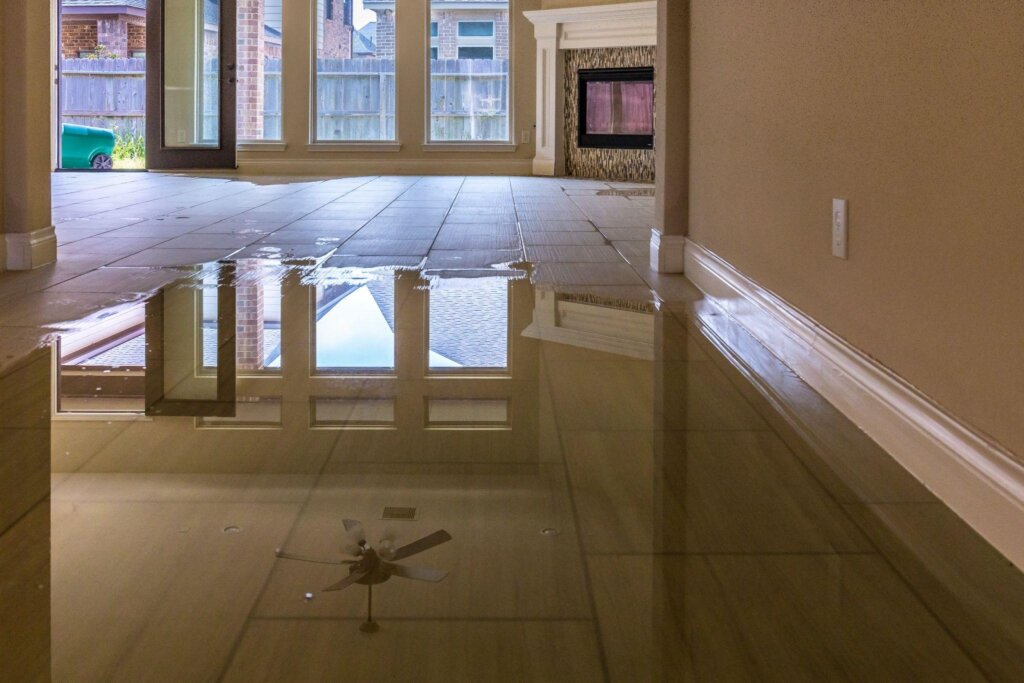
Selling a water-damaged house fast in Cincinnati OH is possible, even if the property has basement flooding, mold, roof leaks, burst pipes, sewer backup, or damaged flooring. The fastest path is usually selling the house as-is to a buyer who can handle repairs after closing. This helps you avoid months of cleanup, contractor delays, inspection problems, and buyer financing issues.
Water damage can feel overwhelming because it often spreads beyond what you can see. A small leak behind a wall can damage drywall, insulation, flooring, subflooring, electrical systems, and even structural materials. In Cincinnati, many homes also have basements, older plumbing, aging roofs, and moisture issues that can make water damage even more stressful for sellers.
The good news is that you still have options. You can repair the damage before listing, sell the home as-is on the open market, or work with a cash buyer who purchases damaged houses directly. The best choice depends on your timeline, budget, repair needs, and how much certainty you want before closing.
Quick Answer: Can You Sell a Water-Damaged House Fast in Cincinnati OH?
Yes, you can sell a water-damaged house fast in Cincinnati OH. You do not always need to fix the damage first. If the house has flooding, mold, roof leaks, plumbing problems, or damaged materials, you can still sell it as-is. A traditional sale may take longer because buyers, lenders, and inspectors may require repairs. A cash sale can often move faster because the buyer is usually prepared to purchase the property in its current condition.
Main Options for Selling a Water-Damaged House
| Selling Option | Best For | Repairs Needed? | Typical Speed | Main Challenge |
|---|---|---|---|---|
| Repair before listing | Sellers with time and repair money | Yes | Slow | Costs can increase |
| List as-is with an agent | Sellers willing to wait for the right buyer | Maybe | Medium | Financing may fail |
| Sell directly for cash | Sellers who want speed and simplicity | No | Fast | Offer may be below retail value |
| Auction sale | Severely distressed properties | No | Medium | Final price is uncertain |
What Counts as Water Damage?
Water damage can happen in many ways. Some problems are obvious, such as standing water in a basement or brown stains on a ceiling. Other problems are hidden behind walls, under flooring, or inside crawl spaces.
Common types of water damage include:
- Basement flooding after heavy rain
- Sump pump failure
- Roof leaks
- Burst pipes
- Frozen plumbing
- Sewer backup
- Appliance leaks
- Bathroom or kitchen plumbing leaks
- Mold growth from long-term moisture
- Foundation seepage
- Water-damaged drywall, carpet, or wood flooring
In Cincinnati, water damage is especially common in older homes, vacant homes, inherited properties, and houses with unfinished basements. If the issue has been ignored for weeks or months, the repair cost may be much higher than expected.
Why Water Damage Makes a Traditional Sale Harder
A water-damaged house can still be sold on the open market, but the process is often more difficult than selling a move-in-ready home. Traditional buyers usually want confidence that the home is safe, livable, and financeable. Water damage creates doubt.
In Ohio, sellers may also need to disclose known property issues through the Ohio Residential Property Disclosure Form.
One of the biggest problems is inspection risk. A buyer may make an offer, schedule a home inspection, and then ask for a large price reduction after the damage is reviewed. If the inspector finds mold, foundation concerns, roof damage, or electrical risks, the buyer may walk away completely.
Financing can also become a problem. Some lenders may not approve a mortgage if the house has major visible damage, safety concerns, missing flooring, active leaks, or mold. Even if the buyer wants the home, the lender may require repairs before closing.
That creates a hard situation for the seller. You may spend weeks waiting for a buyer, only to find out that the deal cannot close unless you pay for repairs first.
Should You Repair Water Damage Before Selling?
You do not always need to repair water damage before selling. Repairs may make sense if the damage is small, the home is in a strong retail market, and you have the money and time to complete the work properly. For example, fixing a minor roof leak, replacing a small section of drywall, or repairing a small plumbing issue may help the home show better.
However, repairs are not always the best choice. Water damage can be unpredictable. Once contractors open walls, remove flooring, or inspect the basement, they may find more problems. A repair estimate that starts at a few thousand dollars can quickly grow if mold, rot, electrical damage, or structural issues are discovered.
Selling as-is may be better if you need to sell quickly, cannot afford repairs, live out of state, inherited the property, or simply do not want to manage contractors.
Repairing vs Selling As-Is
| Factor | Repair Before Selling | Sell As-Is |
|---|---|---|
| Upfront cost | Higher | Lower |
| Timeline | Weeks or months | Often faster |
| Stress level | Higher | Lower |
| Buyer pool | Larger after repairs | Smaller but more serious |
| Inspection risk | Still possible | Expected upfront |
| Sale price | May be higher | Usually lower than retail |
| Convenience | Lower | Higher |
For homeowners comparing repair costs with an as-is sale, the full guide on How to Sell a Distressed Property Fast in Cincinnati OH explains when selling without repairs may be faster, simpler, and more practical.
How Water Damage Affects Home Value
Water damage can reduce home value because buyers usually see it as a risk. The amount depends on the type of damage, how long it has been there, and how much it will cost to repair.
A small leak that was fixed quickly may not reduce value much. But major basement flooding, visible mold, damaged flooring, sewer backup, or structural moisture problems can lower the price significantly.
Buyers may also reduce their offer because of uncertainty. Even if repair estimates look clear, there may be hidden damage. This is why buyers often build extra risk into their price.
Important factors that affect value include:
- The location of the home
- The age and condition of the property
- Whether the water source has been fixed
- Whether mold is present
- Whether the damage affected electrical systems
- Whether the basement or foundation has ongoing moisture problems
- The cost of repairs
- The local demand for homes in that area
- Whether the home can qualify for traditional financing
Can You Sell a House With Mold?
Yes, you can sell a house with mold, but you should be honest about known issues. Mold can scare away traditional buyers because it raises concerns about air quality, cleanup costs, and hidden moisture. The EPA’s mold cleanup guidance can help homeowners understand basic mold cleanup steps after leaks, flooding, or moisture problems.
If the house is being sold as-is, the buyer may agree to handle mold cleanup after closing. This can be helpful for sellers who do not want to pay for remediation before selling. Still, mold should not be ignored or hidden. Clear disclosure helps reduce future disputes and makes the sale process smoother.
Can You Sell a House After Basement Flooding?
Yes, you can sell a house after basement flooding. Many Cincinnati homes have basements, and water problems are not unusual. The key question is whether the flooding was a one-time event or an ongoing issue. The CDC guidance on cleaning safely after flooding can help homeowners understand basic safety precautions after floodwater, stormwater, or moisture exposure.
A one-time sump pump failure may be easier to explain than repeated flooding after every heavy rain. Buyers will usually want to know what caused the water, whether repairs were made, and whether the basement has mold, damaged drywall, damaged flooring, or foundation issues.
If the basement is unfinished, the sale may be simpler. If it is finished and the carpet, walls, insulation, or electrical systems were damaged, repair costs can be much higher.
Can You Sell a Water-Damaged House With an Insurance Claim?
You may be able to sell a water-damaged house with an insurance claim, but it can make the process more complex. If the claim is still open, the buyer, seller, insurance company, and title company may need to understand who receives the claim funds and whether repairs must be completed before closing.
If the insurance claim has already been paid, buyers may ask whether the money was used for repairs. If repairs were completed, invoices and contractor records can help. If repairs were not completed, the buyer may factor that into the offer.
Before accepting an offer, gather any claim documents, repair estimates, photos, contractor invoices, or communication from the insurance company. These documents can help avoid confusion during the sale.
Documents That Can Help You Sell Faster
Having the right documents ready can make buyers more comfortable and reduce delays. You do not need to have everything, but the more information you can provide, the easier it is for a buyer to understand the condition of the house.
| Document | Why It Helps |
|---|---|
| Photos of damage | Shows the current condition clearly |
| Repair estimates | Helps buyers understand possible costs |
| Insurance claim paperwork | Explains what was reported or covered |
| Contractor invoices | Shows completed work |
| Mold test results | Clarifies possible health concerns |
| Roof or plumbing reports | Identifies the source of damage |
| Mortgage payoff information | Helps estimate closing numbers |
| Property tax information | Helps avoid closing delays |
How to Sell a Water-Damaged House Fast in Cincinnati OH
The first step is to understand the condition of the property. You do not need a perfect inspection report, but you should know the basic source of the damage. Was it a roof leak? A broken pipe? A basement flood? A sewer backup? This information helps buyers make faster decisions.
Next, take clear photos of the damaged areas. Include floors, ceilings, walls, basement corners, plumbing areas, roof stains, mold spots, and any repairs already completed. Honest photos can save time because serious buyers will know what they are looking at before visiting the property.
Then decide whether you want to repair the home or sell it as-is. If you have the money, time, and patience, repairs may help you attract more traditional buyers. But if you need speed, certainty, or convenience, an as-is sale may be the better path.
After that, compare your selling options based on net money, not just sale price. A higher listing price does not always mean more money in your pocket. Repairs, cleaning, holding costs, agent commissions, utilities, taxes, and buyer concessions can reduce your final amount.
Finally, choose a buyer who can close with clear terms. A serious buyer should explain the offer, provide a written agreement, use a professional title company, and give you a realistic closing timeline.
What Is the Fastest Way to Sell a Water-Damaged House?
The fastest way to sell a water-damaged house is usually an as-is cash sale. This option avoids many of the delays connected with repairs, showings, inspections, and mortgage approvals.
A cash buyer does not need lender approval, which can make the closing process simpler. In many cases, the buyer is already expecting repairs and does not need the home to be perfect. This can be especially helpful if the property has mold, flood damage, damaged flooring, roof leaks, or unfinished cleanup.
However, speed comes with a tradeoff. A cash offer is usually lower than a fully repaired retail sale price. The benefit is that you may avoid repair costs, delays, and uncertainty.
How Cash Offers Are Calculated
Cash offers for water-damaged homes are usually based on the home’s estimated value after repairs, minus the cost of repairs, holding costs, resale costs, and buyer risk. The buyer also needs room for profit because they are taking on the repair burden and market risk.
For example, if a house could be worth much more after full repairs, the buyer will still subtract the estimated cost to fix water damage, replace materials, address mold, repair the roof or plumbing, and cover closing or resale expenses.
This is why it is important to compare your net proceeds. A traditional sale may bring a higher price, but it may also require repair money, time, commissions, and concessions. An as-is sale may bring a lower price, but it can reduce upfront costs and stress.
Mistakes to Avoid When Selling a Water-Damaged House
One major mistake is hiding the damage. Water problems can appear during inspection, appraisal, or final walkthrough. If known issues are not disclosed properly, they can create legal and closing problems.
Another mistake is spending money on the wrong repairs. Not every repair increases your final sale price. Cosmetic updates may not matter if the home still has active moisture, mold, or foundation concerns. Always understand the core problem first.
Waiting too long can also make things worse. Water damage can spread, mold can grow, and vacant homes can become harder to maintain. If the property is already damaged, delaying the sale may increase carrying costs and reduce buyer confidence.
You should also avoid unclear offers. Make sure any offer explains the purchase price, closing date, inspection terms, contingencies, fees, and who pays closing costs.
Questions to Ask Before Accepting an Offer
Before you accept an offer, ask the buyer direct questions. Are they buying the house as-is? Do they require any repairs? Will they change the offer after inspection? Can they show proof of funds? What title company will handle closing? Who pays closing costs? How fast can they close?
These questions help you avoid surprises. A reliable buyer should be able to answer clearly and put the terms in writing.
FAQ: Selling a Water-Damaged House Fast in Cincinnati OH
Q. Can I sell a water-damaged house fast in Cincinnati OH?
Yes, you can sell a water-damaged house fast in Cincinnati OH, even if it has flooding, mold, leaks, or damaged flooring. Selling as-is can help you avoid repairs and long listing delays.
Q. Do I have to repair water damage before selling my house?
No, you do not always have to repair water damage before selling. If you sell the house as-is, the buyer can handle the needed repairs after closing.
Q. What is the fastest way to sell a water-damaged house?
The fastest way is usually an as-is cash sale. This can help you avoid repairs, showings, lender delays, and long inspection negotiations.
Q. Can I sell a house with mold in Cincinnati OH?
Yes, you can sell a house with mold in Cincinnati OH, but known mold issues should be disclosed. Mold may reduce traditional buyer interest, but as-is buyers may still purchase the property.
Q. Will water damage lower my home’s value?
Yes, water damage can lower your home’s value depending on the damage level, repair cost, mold risk, and location. Severe or untreated water damage usually has a bigger impact.
Q. Do cash buyers buy water-damaged houses in Cincinnati?
Yes, many cash buyers purchase water-damaged houses in Cincinnati. They may buy homes with basement flooding, roof leaks, plumbing damage, mold, or unfinished repairs.
Final Thoughts
Selling a water-damaged house fast in Cincinnati OH does not have to mean paying for every repair, cleaning out every damaged item, or waiting months for a traditional buyer. You can repair the property, list it as-is, or choose a faster cash sale depending on your goals.
If your main goal is the highest possible retail price, repairs may be worth exploring. But if your main goal is speed, convenience, and avoiding upfront repair costs, selling as-is may be the better option. The right choice depends on your timeline, the condition of the home, your budget, and how much certainty you want before closing.
Freedom Homes Cincy can help homeowners who want a simpler way to sell a water-damaged house in Cincinnati OH. Instead of dealing with contractors, repeated showings, lender delays, or stressful repair negotiations, you can compare your options and decide whether an as-is cash sale fits your situation.
A water-damaged house can still be sold. The key is to understand your options, compare your true net proceeds, ask the right questions, and choose a selling path that gives you confidence, clarity, and peace of mind.