

Selling a fixer-upper can feel complicated, especially when a property needs repairs, updates, or structural improvements. Many homeowners in Cincinnati find themselves owning homes that require renovations due to age, deferred maintenance, or unexpected life situations.
The good news is that selling a house that needs work is entirely possible. In fact, many buyers actively look for fixer-upper homes because they see potential for renovation or investment. Understanding your options and the local housing market can help you sell your property faster and with fewer complications.
This guide explains how to sell a fixer-upper in Cincinnati, Ohio, the options available to homeowners, potential costs, and strategies that can help you attract buyers.
What Is a Fixer-Upper?
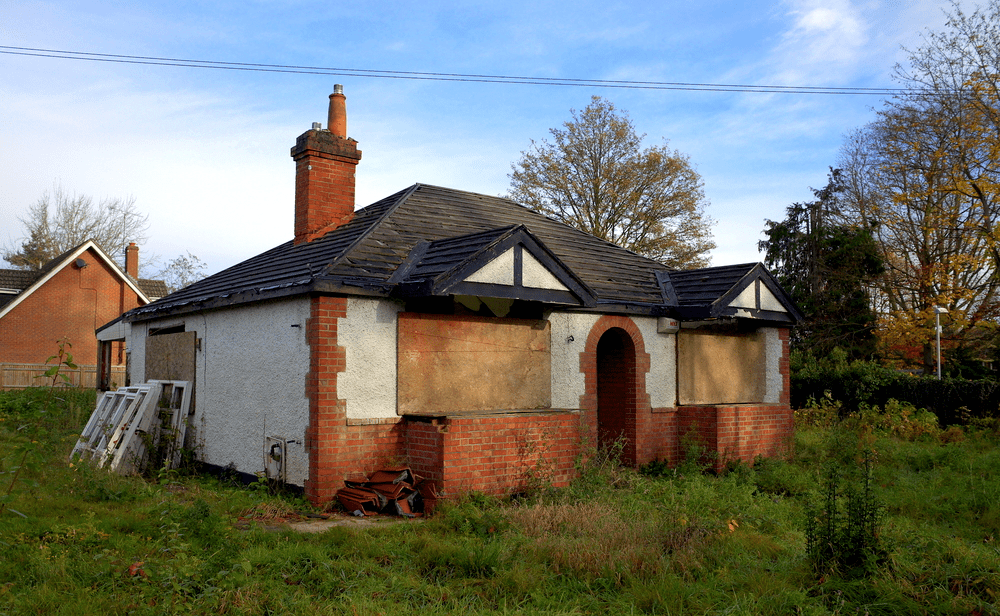
A fixer-upper is a property that requires repairs, upgrades, or remodeling before reaching its full market value. These homes may still be livable, but they typically have issues that discourage traditional buyers who want move-in-ready properties.
Some fixer-uppers require only cosmetic improvements, while others may need major structural repairs.
Common Characteristics of Fixer-Upper Homes
| Feature | Description |
|---|---|
| Outdated Interior | Old kitchens, bathrooms, and fixtures |
| Structural Issues | Foundation cracks or roof damage |
| Mechanical Problems | Aging HVAC, plumbing, or electrical systems |
| Cosmetic Damage | Peeling paint, worn flooring, outdated décor |
| Deferred Maintenance | Repairs neglected over time |
Many homes in Cincinnati fall into this category due to their age, especially properties built several decades ago.
Why Homes Become Fixer-Uppers in Cincinnati
There are several reasons homeowners end up with properties that need significant repairs.
Aging Housing Stock
Cincinnati has many historic neighborhoods with homes built before modern building standards. While these homes often have character and charm, they may require updates to plumbing, electrical systems, and insulation.
Inherited Properties
Many homeowners inherit properties from family members. These homes may not have been maintained for years and often require repairs before they can be sold.
Financial Challenges
Homeowners facing financial difficulties may delay maintenance or repairs, which can eventually lead to larger problems.
Vacant or Rental Properties
Homes that have been vacant or used as rental properties sometimes experience wear and tear that makes them difficult to sell without improvements.
Can You Sell a House That Needs Repairs?
Yes, you can sell a house even if it needs significant repairs.
In fact, many buyers actively search for fixer-uppers because they want to renovate properties for profit or personal use.
Buyers typically fall into three main categories.
| Buyer Type | Description | Typical Sale Speed |
|---|---|---|
| Traditional Buyers | Families looking for homes to live in | Slower |
| Investors | Buyers who renovate and resell homes | Faster |
| Cash Buyers | Buyers purchasing properties as-is | Fastest |
Homes that require extensive repairs often attract investors who specialize in renovation projects.
Options for Selling a Fixer-Upper in Cincinnati
Homeowners generally have several options when selling a property that needs work. The best approach depends on your timeline, financial situation, and the condition of the property.
Option 1: Sell the House As-Is
Selling a home “as-is” means the property is sold in its current condition without making repairs or improvements.
This option allows homeowners to avoid renovation costs and sell quickly.
Benefits of Selling As-Is
- No repair expenses
- Faster selling process
- Less preparation required
- Fewer renovation risks
Potential Downsides
- Lower selling price
- Smaller pool of buyers
- More negotiation during the sale process
Despite these drawbacks, selling as-is is often the easiest solution for homeowners who want to avoid costly renovations.
Option 2: Make Minor Repairs Before Selling
Some homeowners choose to make small improvements that can increase the home’s appeal without investing in major renovations.
These improvements are often inexpensive but can make the property look more attractive to buyers.
Examples of Minor Improvements
| Improvement | Benefit |
|---|---|
| Fresh interior paint | Brightens rooms and improves appearance |
| Landscaping cleanup | Boosts curb appeal |
| Replacing light fixtures | Modernizes interior |
| Fixing small leaks | Prevents inspection issues |
| Deep cleaning | Makes home appear well maintained |
Even small changes can sometimes help buyers see the property’s potential.
Option 3: Fully Renovate the Property
A complete renovation can increase the property’s market value significantly. However, this option requires time, planning, and financial investment.
Common Major Renovations
- Kitchen remodel
- Bathroom upgrades
- New flooring installation
- Roof replacement
- HVAC system upgrades
While these improvements may increase the sale price, they also carry risks such as unexpected repair costs or market changes.
Understanding Repair Costs
Repair costs can vary widely depending on the condition of the home.
Here are some general estimates homeowners may encounter when repairing a fixer-upper.
| Repair Type | Average Cost Range |
|---|---|
| Roof replacement | $7,000 – $15,000 |
| Foundation repair | $5,000 – $20,000 |
| Electrical upgrades | $2,000 – $8,000 |
| Plumbing repairs | $1,500 – $6,000 |
| Kitchen renovation | $15,000 – $40,000 |
| Bathroom remodel | $8,000 – $25,000 |
Homeowners can research typical renovation costs and their potential return using the Remodeling Cost vs Value Report, which compares the average cost of remodeling projects with the value they add to a home when it is sold.
Steps to Sell a Fixer-Upper in Cincinnati
Selling a home that needs work usually involves several steps. Following a clear plan can help simplify the process.
Step 1: Evaluate the Property Condition
Start by examining the overall condition of the home. Identify major issues such as structural damage, outdated systems, or cosmetic problems.
Understanding the condition of the property helps determine the best selling strategy.
Step 2: Estimate Repair Costs
Getting estimates from contractors can help you determine the cost of repairs. This information helps you decide whether fixing the property makes financial sense.
Step 3: Decide Whether to Repair or Sell As-Is
Once you understand the repair costs, you can compare them with the potential increase in the property’s value.
In some cases, selling as-is may be the better option.
Step 4: Set a Competitive Price
Pricing a fixer-upper correctly is essential. Buyers expect a lower price to compensate for renovation costs.
Competitive pricing can attract more interest and lead to a faster sale.
Step 5: Prepare the Home for Sale
Even if the property needs repairs, basic preparation can make a difference.
Simple actions include:
- Removing clutter
- Cleaning the property
- Improving curb appeal
- Fixing minor issues
These steps help buyers focus on the home’s potential rather than its problems.
How Fixer-Upper Homes Are Priced
Pricing a fixer-upper often involves calculating the after-repair value (ARV).
The after-repair value represents what the home could be worth after renovations are completed.
Example Pricing Calculation
| Factor | Amount |
|---|---|
| After-repair value | $250,000 |
| Estimated repair cost | $50,000 |
| Investor profit margin | $30,000 |
| Estimated purchase price | $170,000 |
This method helps buyers determine whether the property is a worthwhile investment.
Challenges of Selling a Fixer-Upper
Selling a property that needs repairs may present several challenges.
Limited Buyer Pool
Many homebuyers prefer properties that are ready to move into. This means fewer traditional buyers may be interested in fixer-upper homes.
Inspection Concerns
Home inspections often reveal issues that buyers may not initially notice. Significant problems can lead to negotiations or delays.
Financing Limitations
Some lenders hesitate to approve mortgages for homes requiring major repairs. This can reduce the number of potential buyers.
However, certain loan programs are designed specifically for properties that need renovations. For example, the HUD 203(k) Renovation Loan Program allows buyers to finance both the purchase of a home and the cost of repairs within a single mortgage. These types of programs can make it easier for buyers to purchase fixer-upper homes.
Tips to Sell a Fixer-Upper Faster
Although fixer-upper homes can be harder to sell, several strategies can help speed up the process.
Emphasize the Property’s Potential
Highlight features such as location, lot size, or architectural details that could attract buyers interested in renovation projects.
Be Transparent About Repairs
Providing honest information about the property’s condition builds trust and prevents surprises during inspections.
Clean and Declutter
Even if the property needs repairs, a clean home creates a better impression.
Price the Property Correctly
Competitive pricing can generate interest and encourage multiple offers.
Cincinnati Housing Market Factors
Local market conditions play a major role in how quickly fixer-uppers sell.
Important factors include:
- Neighborhood demand
- Housing inventory
- Interest rates
- Property location
- Renovation trends
Homes located in desirable neighborhoods often sell faster, even if they require repairs.
Pros and Cons of Selling a Fixer-Upper
Understanding the advantages and disadvantages can help homeowners decide how to approach the sale.
| Pros | Cons |
|---|---|
| No renovation costs | Lower selling price |
| Faster selling process | Limited buyer pool |
| Avoid unexpected repair expenses | Negotiations may be required |
| Less time preparing the home | Property may take longer to sell |
Evaluating these factors can help determine the most practical selling strategy.
When Selling a Fixer-Upper Makes Sense
Selling a property without repairs may be the best option in several situations.
- You need to sell quickly
- Repair costs are too high
- The property was inherited
- The home has been vacant for a long time
- You want to avoid renovation stress
In these situations, selling the property in its current condition can save time and reduce financial risk.
Frequently Asked Questions
Q. Can you sell a fixer-upper in Cincinnati without making repairs?
Yes, homeowners in Cincinnati can sell a fixer-upper without completing repairs. Many buyers, especially investors, look for properties they can renovate and improve after purchasing.
Q. What does it mean to sell a house “as-is”?
Selling a house “as-is” means the property is sold in its current condition without the seller making repairs. Buyers agree to purchase the home with all existing issues.
Q. Who typically buys fixer-upper homes in Cincinnati?
Fixer-upper homes in Cincinnati are commonly purchased by real estate investors, house flippers, and renovation buyers. These buyers look for properties they can upgrade and resell or rent.
Q. Do you have to disclose problems when selling a house in Ohio?
Yes, Ohio law requires sellers to disclose known material defects through a property disclosure form. This includes issues like roof damage, plumbing problems, or structural concerns.
Q. How long does it take to sell a fixer-upper in Cincinnati?
The time varies depending on the home’s condition, pricing, and local demand. Properties priced competitively often attract buyers more quickly.
Q. Is it worth fixing up a house before selling it?
It depends on the cost of repairs and the potential increase in home value. Minor improvements may attract more buyers, but major renovations do not always guarantee higher returns.
Final Thoughts
Selling a fixer-upper in Cincinnati doesn’t have to be complicated or stressful. While homes that need repairs may not attract every traditional buyer, there are still many opportunities to sell successfully. Understanding your options—whether selling as-is, making minor improvements, or exploring renovation possibilities—can help you choose the approach that best fits your situation.
Many homeowners prefer to avoid the time, cost, and uncertainty of major repairs. In those cases, working with experienced buyers who understand the local market can make the process much smoother. Buyers who specialize in fixer-upper properties often look beyond cosmetic issues and focus on the potential of the home.
If you’re looking for a simple way to sell a property that needs work, Freedom Homes Cincy can help streamline the process and provide a practical solution for homeowners dealing with outdated or damaged homes. With the right support and strategy, even a property that needs repairs can become a successful sale.